
 By
By 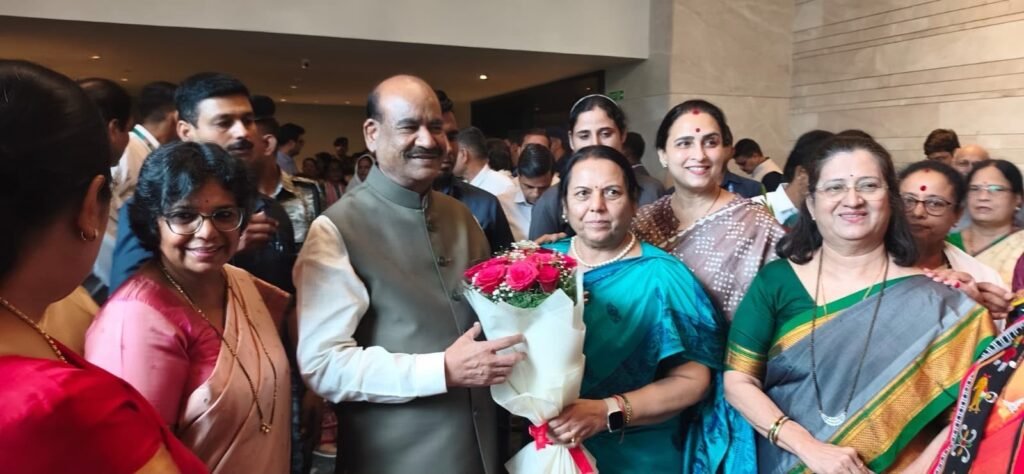
Presentation on Gender Budgeting at the National Commission for Women’s Conference
Faridabad, September 7, 2026: Funds allocated for women must be visible, adequate and traceable. It should be clearly established how much funding was provided, how much was actually utilised and what measurable changes it brought to women’s lives, said Shiv Sena leader and Member of the Maharashtra Legislative Council Dr. Neelam Gorhe.
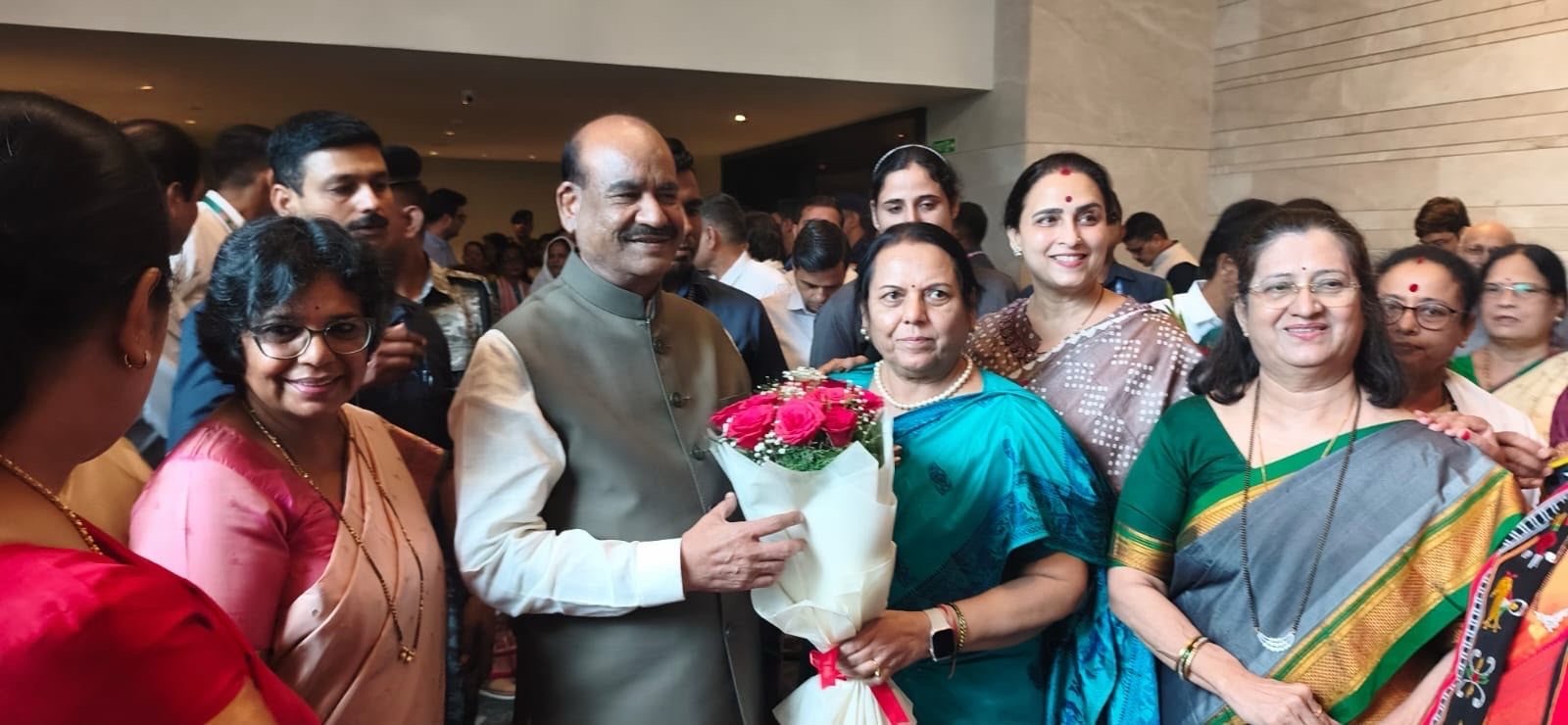
The workshop was inaugurated by Lok Sabha Speaker Om Birla. NCW Chairperson Vijaya K. Rahatkar and Member Secretary Sudeep Jain attended the programme. Madhya Pradesh Minister of State for Urban Development and Housing Pratima Bagri and Uttar Pradesh Minister of State for Dairy Development Krishna Paswan were also present during the technical session.Women legislators from Maharashtra, including Chitra Wagh, Manisha Chaudhary, Uma Khapre, Sulbha Gaikwad, Anuradha Chavan, Seema Hiray and Pradnya Satav, participated in the workshop along with women representatives from various states across the country.
Dr. Gorhe delivered a presentation on “Gender-Responsive Governance: Gender Budgeting for Women’s Empowerment” at the national capacity-building conference for women legislators, organised through the initiative of National Commission for Women Chairperson Vijaya Rahatkar.
“Gender budgeting is neither a separate budget for women nor a simple 50-50 division of resources. It is a process of examining how public policies and budgets affect women and men differently and redesigning them to address inequality,” Dr. Gorhe explained.
India’s Gender Budget Statement for 2026-27 provides ₹5.01 lakh crore for women and girls, accounting for 9.37% of the Union Budget. However, higher allocation alone does not guarantee empowerment. Fund release, actual expenditure, service quality and measurable outcomes must also be monitored, she said.
Dr. Gorhe identified six priority areas for 2026-31: the care economy, women’s safety and mobility, economic assets, climate resilience, digital literacy and gender-responsive local governance.
She recommended that local self-government institutions earmark 3% to 5% of their funds for women’s empowerment. MP, MLA and MLC Local Area Development Funds should also be planned and utilised through a gender-responsive lens.
Women legislators should effectively use Question Hour, legislative committees, budget discussions and constituency-level powers. She also proposed forming “Mahila Budget Sakhi” groups comprising knowledgeable women to monitor local budgets, schemes and their implementation.

Comments are closed.